
High-heat-resistant polyimide film Xenomax®
High-heat-resistant polyimide film Xenomax®
A solution for reducing the weight of space-grade solar cell panels
High-heat-resistant polyimide film for glass replacement
Xenomax® has been developed for space-bound solar cell panels; samples are currently under evaluation.
The product, developed by Toyobo in 2007, is a polyimide film with world-class dimensional stability and heat resistance.
It is being promoted for cutting-edge applications—including space development—as a replacement for glass, silicon wafers, and ceramics, and for use in composite materials.

In recent years, the number of satellite launches by private companies, mainly in the United States and China, has surged for telecommunications, Earth observation, positioning, environmental monitoring, and other purposes.
Today, dozens of satellites are often launched simultaneously on a single rocket.
By 2030, approximately 3,000* satellites are projected to be launched annually—three times the roughly 990* launched in 2025.
*According to our analysis based on data from research firms and other sources.
The need to reduce launch costs is growing as the number of satellite launches increases.
A 1 kg reduction in payload weight is said to cut launch costs by several million yen.
(*According to our company’s analysis as of November 2025.)
Because supplying fuel in space is difficult and costly, solar power is used as the primary source of electricity.
Therefore, reducing the weight of solar cell panels is a critical challenge.

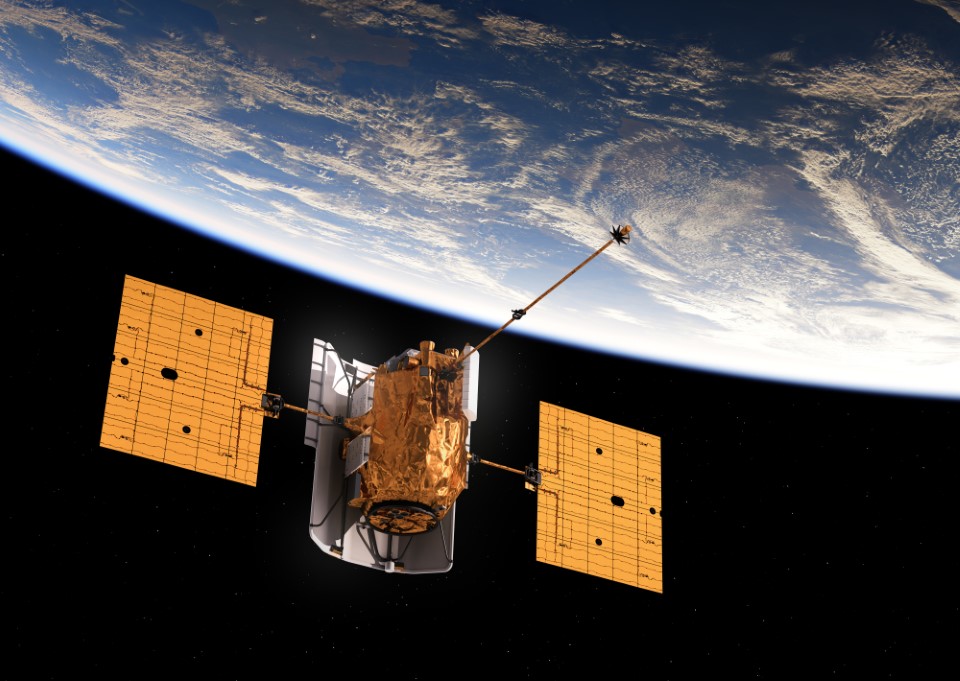
To reduce the weight of solar cell panels, it is essential to reconsider their component materials.
In particular, the glass used as a substrate is heavy and directly affects launch costs.
Xenomax® is a polyimide film that can be used as an alternative to glass.
With its high dimensional stability, heat resistance, and surface flatness, Xenomax® helps reduce solar cell panel weight and, in turn, launch costs.
Reducing component weight is essential for making solar cell panels lighter.
To achieve this, we propose replacing the glass substrate with Xenomax®.
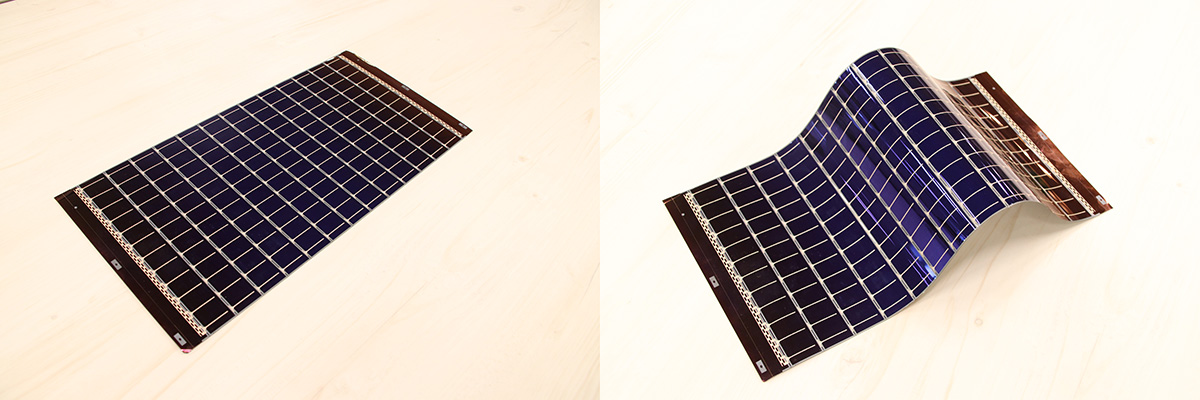
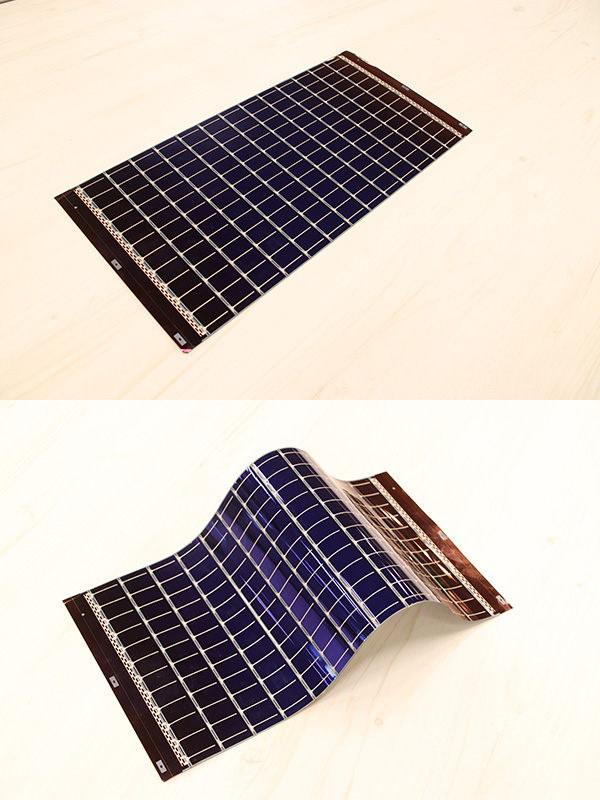
Flexible solar cell samples using Xenomax® as the substrate.
Click below to inquire about Xenomax®, whose in-space use is expected to expand,
or to download catalog materials.
For inquiries
To download the materials
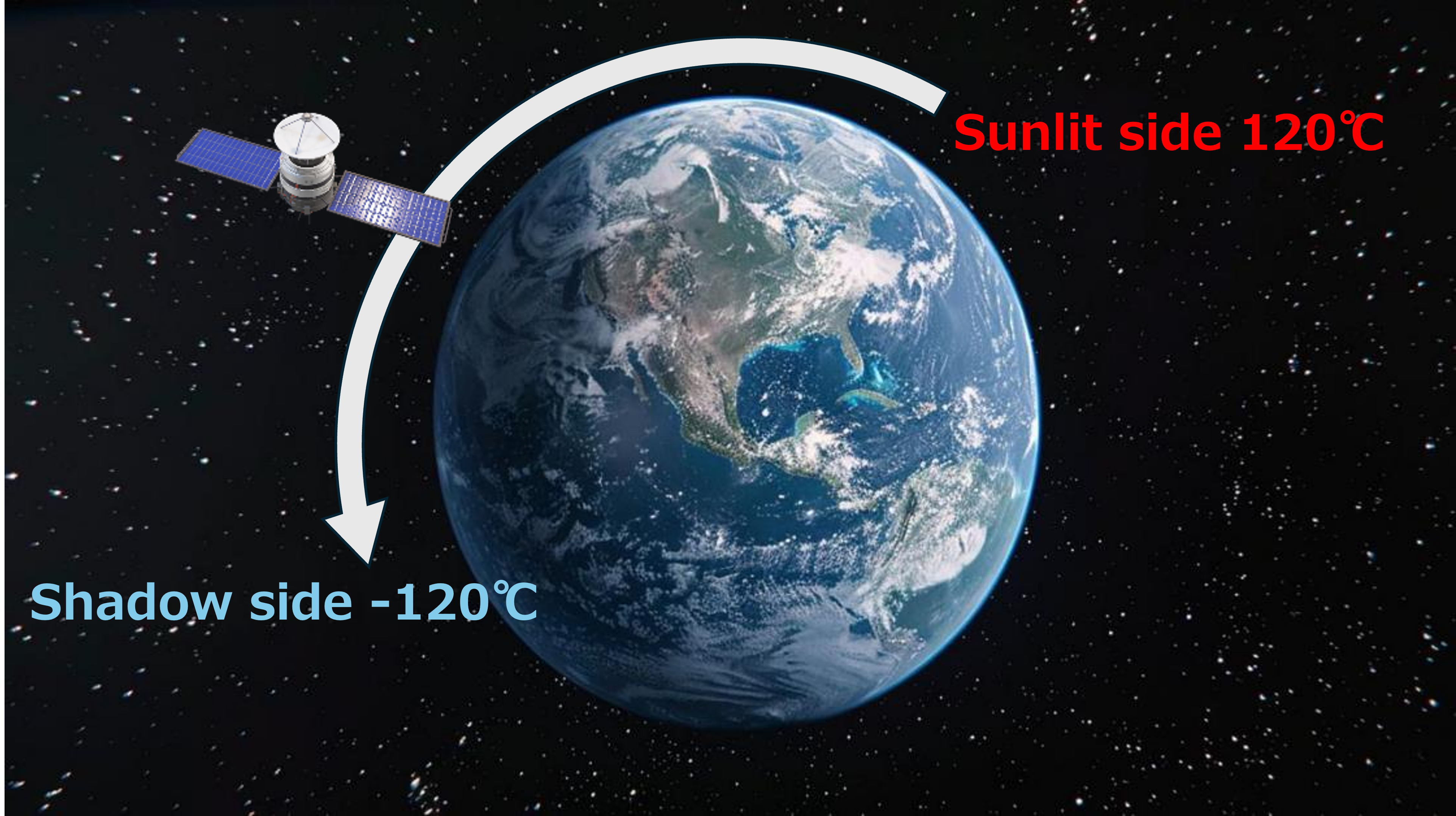
■ Heat resistance/Cold resistance
In space, the temperature difference between the sunlit side and the shadow side can range from about −120°C to +120°C.
Polyimide film is used because it can function stably under such harsh conditions.
Xenomax® can withstand both extremely high and extremely low temperatures.
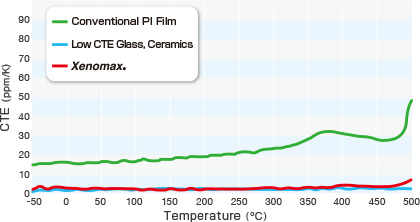
■ Dimensional stability (Low CTE: Coefficient of thermal expansion)
Xenomax® has an extremely low coefficient of thermal expansion (CTE) of 0–3 ppm/K, resulting in much less dimensional change than general polyimides and therefore excellent dimensional stability.
→ This is expected to reduce distortion and misalignment in space, improving the reliability of solar cell panels.

In conventional solar cell panels, a 0.8 mm-thick glass substrate has been used. Xenomax® is only 15 µm (0.015 mm) thick. For the same area, it weighs about one hundredth as much as glass.
→ By replacing the glass substrate with Xenomax®, weight can be reduced by up to 99%, a major advantage that directly contributes to lower launch costs.
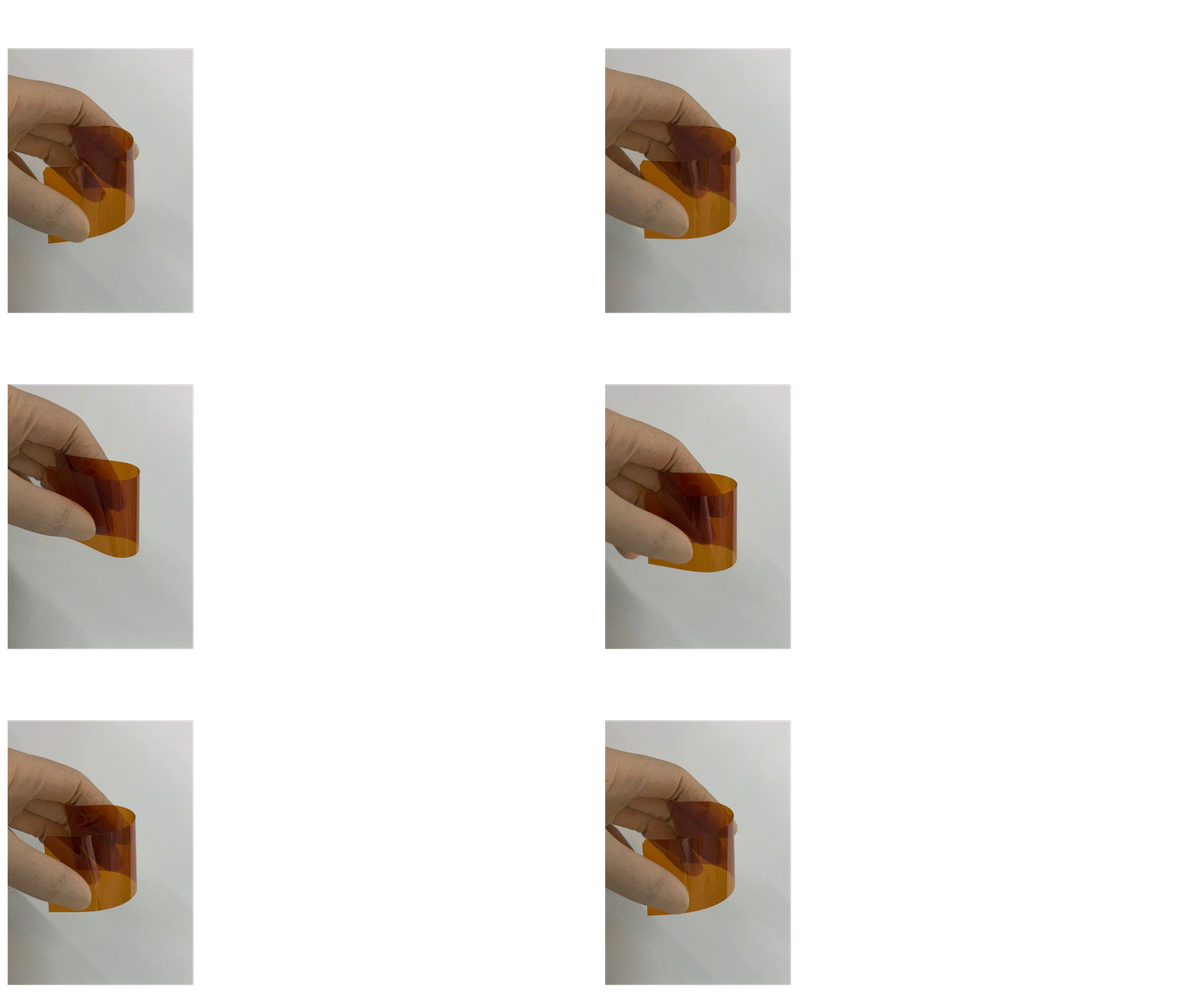
Because Xenomax® is a flexible film, it can be rolled and folded.
→ Using Xenomax® helps minimize payload volume, thereby improving launch efficiency and reducing costs.


Click below to inquire about Xenomax®, whose in-space use is expected to expand.
For inquiries
